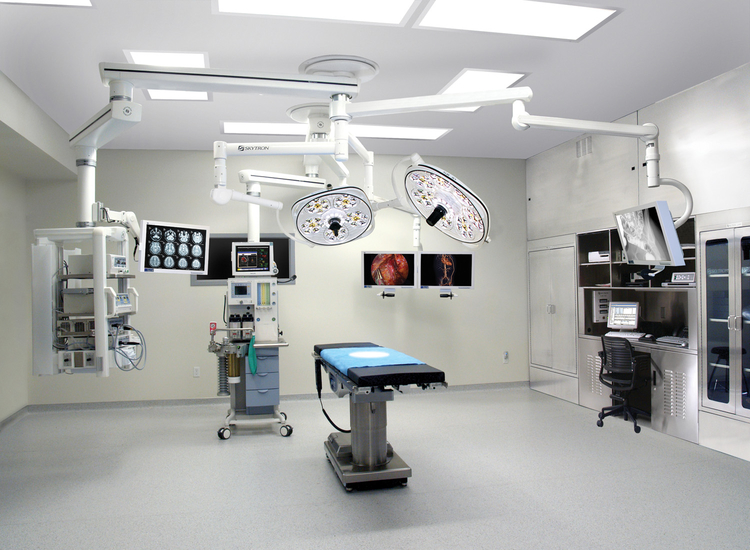
Equipment: diagnosis without instruments

Distance, infrastructure, and limited resources make reaching healthcare facilities a daunting task for many Congolese. Even when clinics are accessible, overcrowding and shortages often mean long waits and uncertain outcomes. A consultation is only as good as what stands behind it. Across the DRC, facilities work without reliable imaging, without stable stocks, and without any system to replace a machine when it fails. Researchers assessing the country’s medical equipment supply chain found health zones in Kinshasa with no donor support and no functioning procurement route at all; when a device breaks there, nothing formally exists to replace it.


7 weeks

Median lenght of a medicine stockout
Shortages hit every therapeutic class, with anti-infectives among the worst affected. Clinicians substitute weaker or less tolerated drugs, or send the family to buy on the open market.

Research on medicine shortages in DRC facilities


0

Working CT scanners in an entire DRC province until late 2024
Every patient needing a scan had to be transferred to Kinshasa or Lubumbashi; multiplying the cost of care and, for most families, ending it.

Qualitative study of healthcare costs, Kasaï Oriental


87%

of a Kinshasa outpatient bill is medicines and procedures
When a facility has no stock, the cost transfers straight to the patient. Equipment and supply gaps are not separate from the affordability crisis; they are its engine.

Study of outpatient care costs in Kinshasa


70%

of surveyed Kinshasa households live on under US$100 per person each month
Against a poverty rate of 56% at the national line and around 75% at the international one, with roughly 63% of urban residents below it.

Kinshasa household survey; World Bank poverty estimates

Research on medicine shortages in DRC facilities


42%

now face castrophic health spending; double the previous figure of 21%

Households sell assets, borrow at punishing rates, or simply don’t go. Illness and poverty stop being two problems and become one loop.

DRC health financing literature


~70%

of Congolese have little or no access to health care

Facilities short of staff, equipment, medicines and supplies lead to a shortfall measured in the tens of millions of people.

USAID health assessment, DR Congo


The Impact We Seek

Through the Biomedical Solutions Program, we aim to help health facilities operate more effectively, reduce equipment downtime, improve clinical performance, and strengthen the systems that support patient care. By investing in biomedical capacity, we help build stronger health systems that can deliver better care today and remain resilient for the future.

Because when healthcare equipment is safe, functional, and sustainable, lives are saved and communities are strengthened.

Why It Matters

A medical device only saves lives when it works. In many settings, equipment failures, poor maintenance systems, and inadequate infrastructure can delay diagnosis, interrupt treatment, increase safety risks, and reduce trust in the health system. LHI helps close that gap by creating practical and sustainable biomedical solutions that improve care delivery where the need is greatest.

Medical Device & Supplies Showroom
We supply high-quality medical devices and equipment specifically designed for use in low-resource settings, ensuring durability and reliability. These devices are selected to meet the unique challenges of these environments.
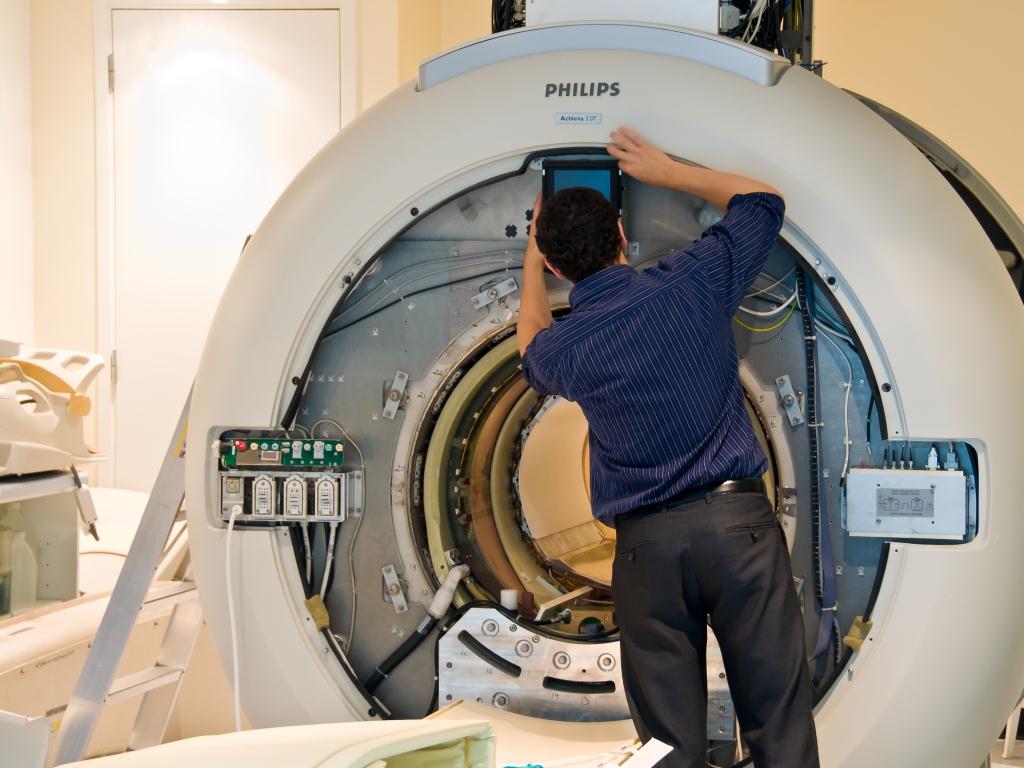
BMET Services
Our biomedical maintenance, repair, and technical support services ensure that medical equipment remains operational and effective, minimizing downtime and maximizing the impact of healthcare interventions.
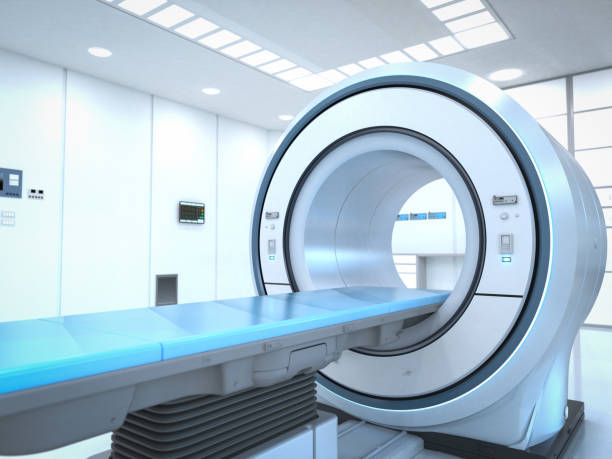
LHI Specialized Medical Facilities
We design specialized medical spaces and functional healthcare infrastructure, optimizing the delivery of healthcare services and improving patient outcomes in challenging environments.

Subscribe to Newsletter

Enter your email address to register to our newsletter subscription!