A birth should never be a gamble.
The Smile of a Mother strengthens maternity and neonatal care where it is weakest. Raising clinical standards, replacing failing equipment, and training providers in evidence-based practice. Safer pregnancies. Dignified births. Healthier newborns.
Maternal deaths for every 100,000 live births. The Democratic Republic of the Congo sits among the ten most dangerous countries in the world to give birth and almost every one of those deaths is preventable with care that already exists.
The medicine isn’t missing. The system around it is.
Most mothers and newborns who die do so from causes clinicians have known how to treat for decades: haemorrhage, infection, obstructed labour, high blood pressure in pregnancy, a baby who doesn’t breathe in the first minute.
What’s missing is
– A blood-pressure cuff that works
– A midwife who has practised neonatal resuscitation this year. – A protocol on the wall.
– Oxygen that doesn’t run out at 2 a.m.
SOM closes that gap facility by facility not with one-off donations of equipment, but by rebuilding how care is delivered and keeping it that way.
What your gift builds
Clinical standards that hold up at 3 a.m.
Written, posted protocols for the emergencies that kill: postpartum haemorrhage, pre-eclampsia, sepsis, newborn resuscitation. Plus the audit routines that show whether they’re actually being followed.
Equipment that works, and keeps working
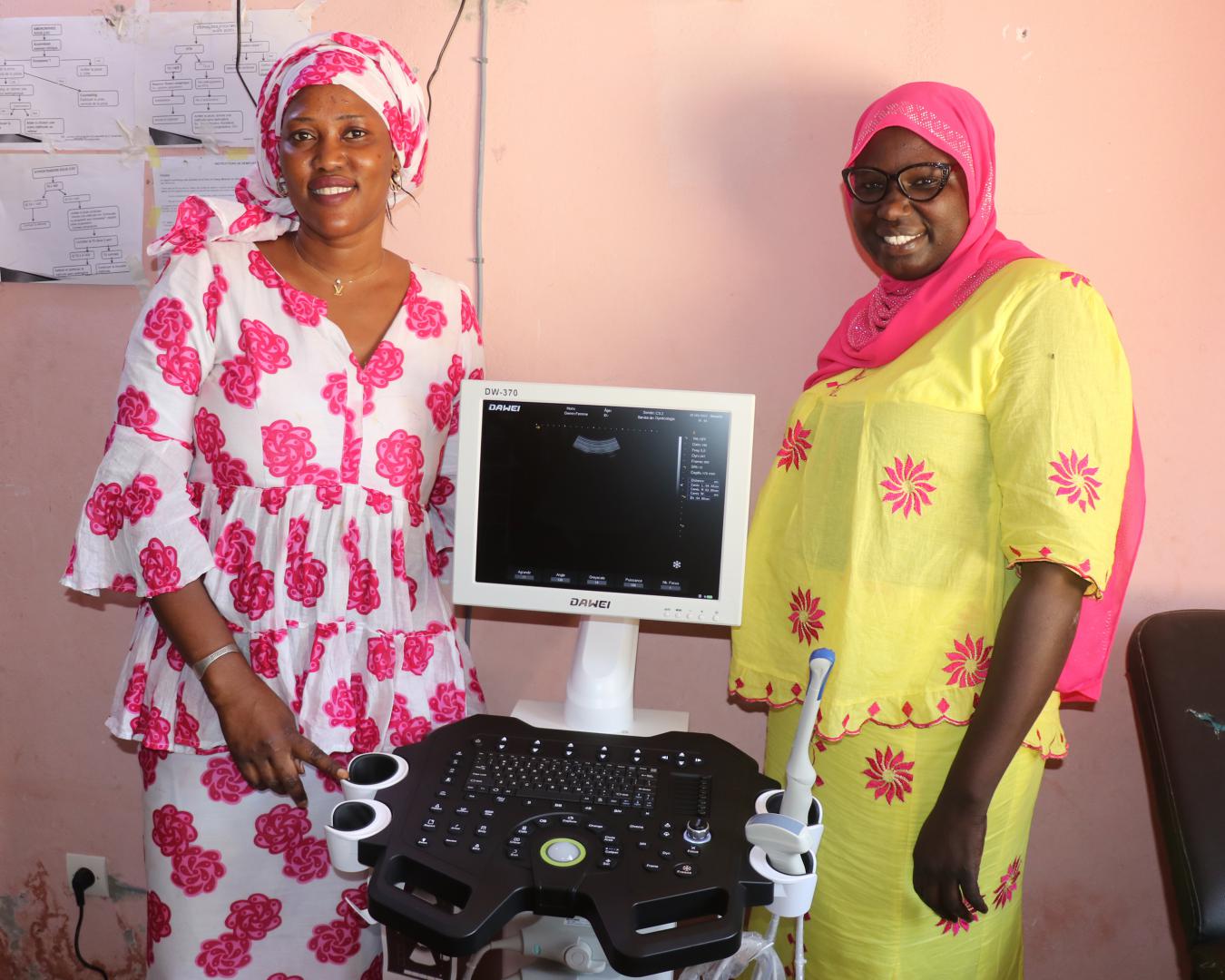
Delivery beds, suction, oxygen, infant warmers, resuscitation bags and masks, blood-pressure monitoring, sterilisation. Installed with training, spare parts and a maintenance plan which is the reason most donated equipment fails.
Providers trained in what the evidence shows
Hands-on, repeated skills drills for midwives, nurses and doctors, coached on their own wards rather than in a distant classroom. Skills that fade get refreshed, not assumed.
Births that treat women as people
Privacy, consent, a companion of her choice, respectful language, pain acknowledged. Dignity is not a luxury layer on top of clinical safety; it is what brings the next mother through the door instead of delivering at home.
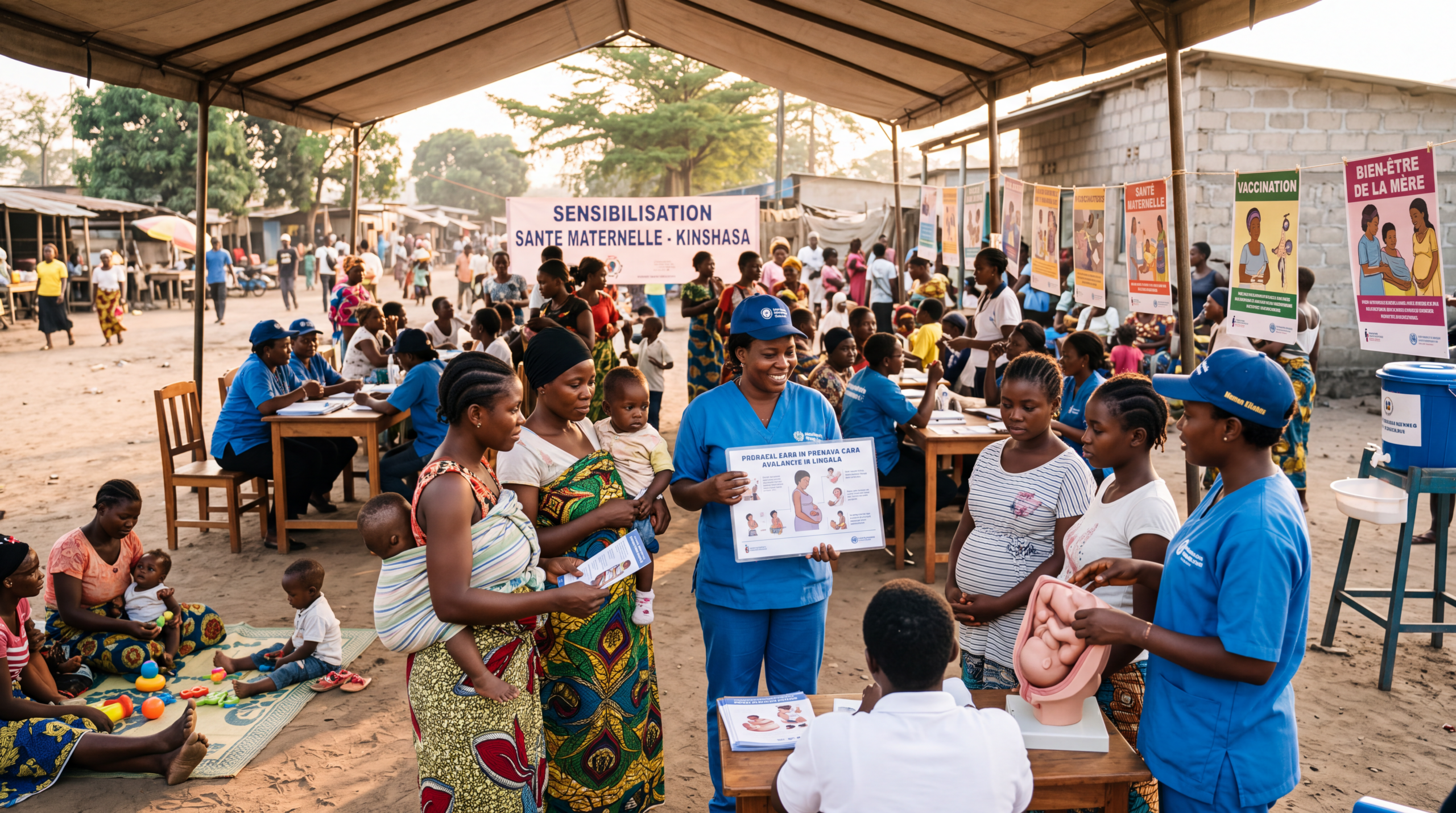
Kinshasa: a city of 17 million, and a delivery room that can’t be counted on
Kinshasa is the largest city in the Democratic Republic of the Congo and one of the fastest-growing in the world. Its health system covers 35 health zones, 413 health areas and more than a thousand primary care facilities — and yet a mother’s survival still depends on which door she walks through, and on what hour of the night she arrives.
547
Maternal deaths per 100,000 live births in the DRC
Nearly eight times the 2030 global target of 70. The country ranks among the ten worst in the world.
UN MMEIG / WHO estimate, cited in national and NGO reporting
18,661
Women died in pregnancy or childbirth in the DRC in a single year
Roughly fifty women a day. Each leaves behind, on average, several surviving children whose own odds of survival drop with her.
Our World in Data, 2023
258
Newborns die every day before reaching one month old
Alongside roughly 240 stillbirths a day — most of them in the final hours before or during labour, the window where trained hands and working equipment matter most.
UNICEF, maternal and newborn health country profile
56 vs 18
infant deaths per 1,000 births against a world average of 18
A baby born in the DRC is more than three times as likely to die before their first birthday as the average child born anywhere on earth.
World Bank / UN IGME, 2024
1 in 5
Newborns in Kinshasa with a low Apgar score died within six weeks
From a 2024 cohort of 2,383 infants followed across Kinshasa maternity wards. A baby who struggles to breathe in the first five minutes was almost ten times more likely to die; an outcome that turns on whether someone at the bedside can resuscitate.
Kabasubabo et al., PLOS Global Public Health, Kinshasa cohort study
26.7%
of pregnant women screened for high blood pressure in Kinshasa antenatal clinics
Hypertensive disorders caused nearly a quarter of the maternal deaths recorded by the DRC’s own surveillance system. Three in four women are never checked for the condition that may kill them.
Published research on facility readiness and provider knowledge in Kinshasa
What the data says about why – and where SOM intervenes
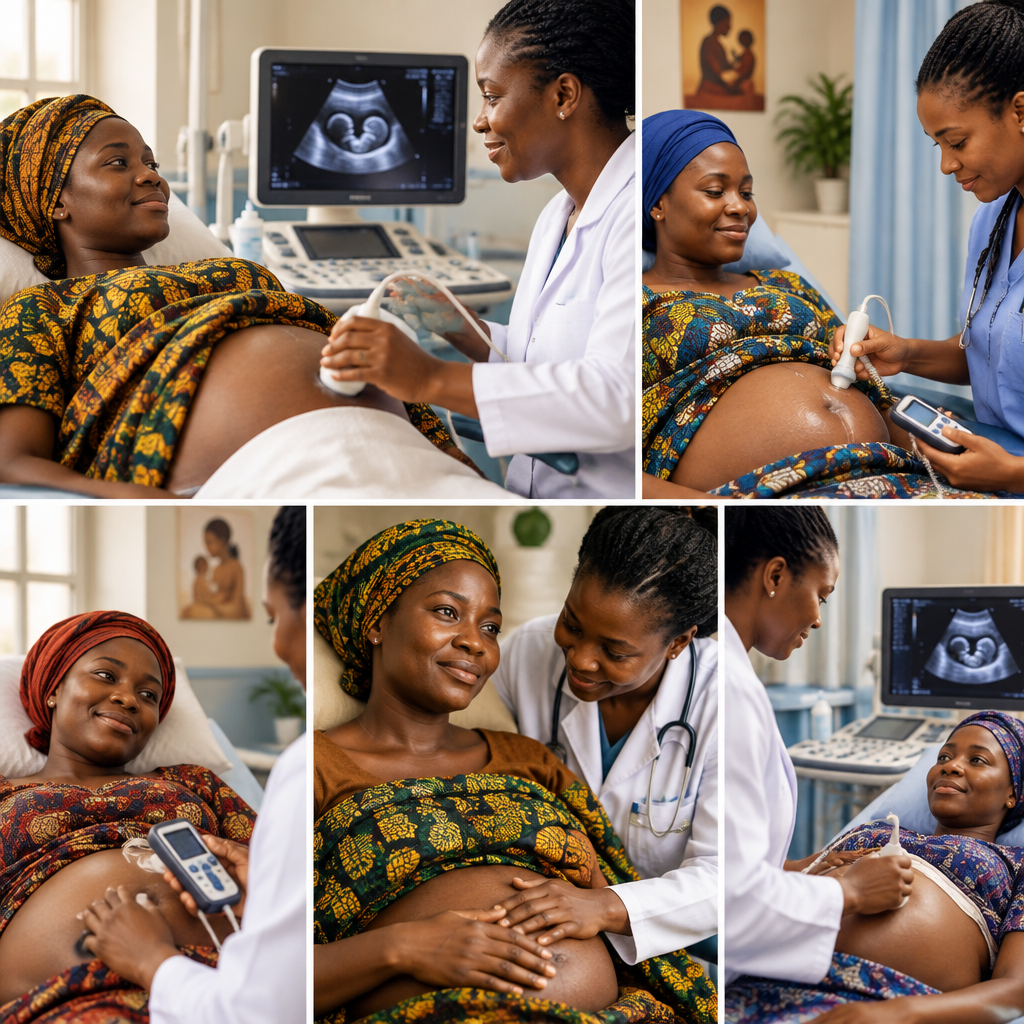
- Attendance is not the problem; quality is. Most Kinshasa women attend antenatal care and most deliver with a skilled attendant. Deaths continue anyway, which points squarely at what happens inside the facility.
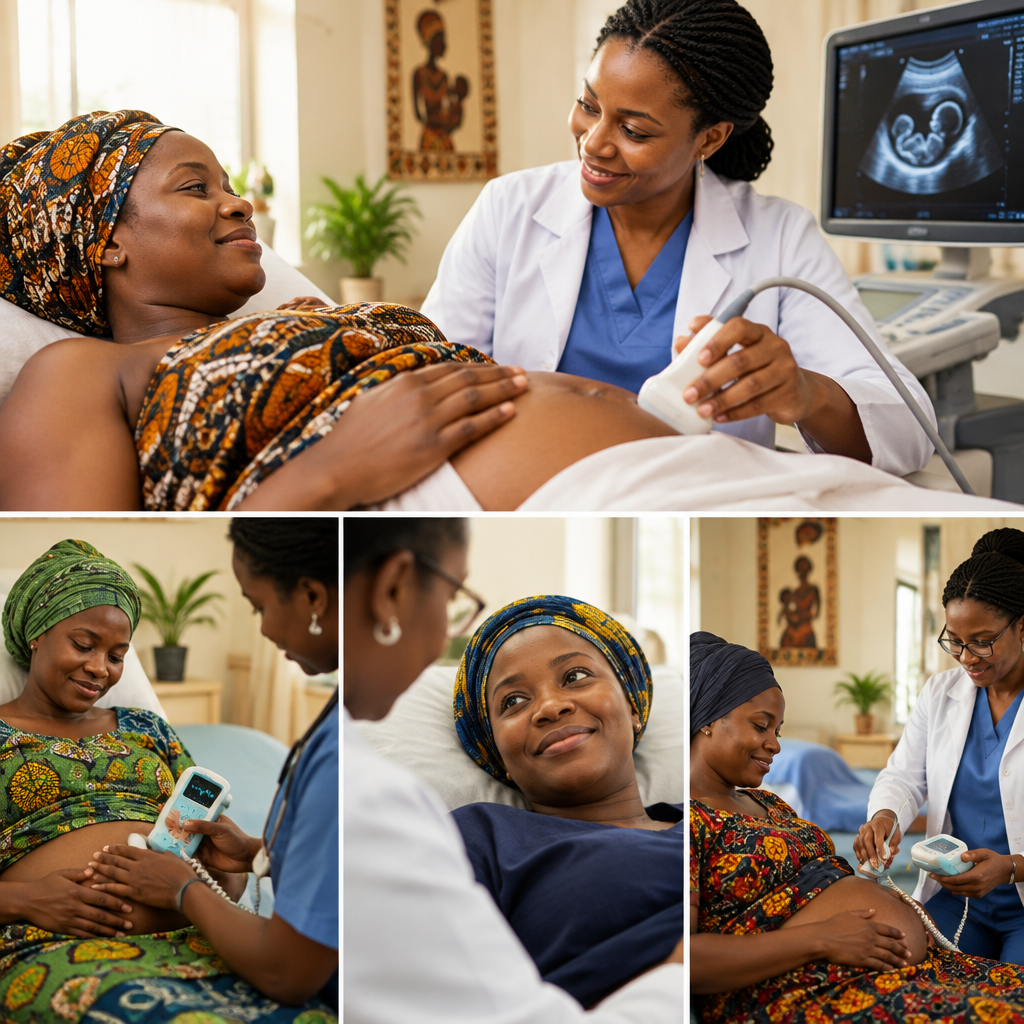
- Screening gaps are training and equipment gaps. Pre-eclampsia is caught with a cuff, a urine strip and a provider who knows the threshold. All three are fixable, and all three are what SOM funds.
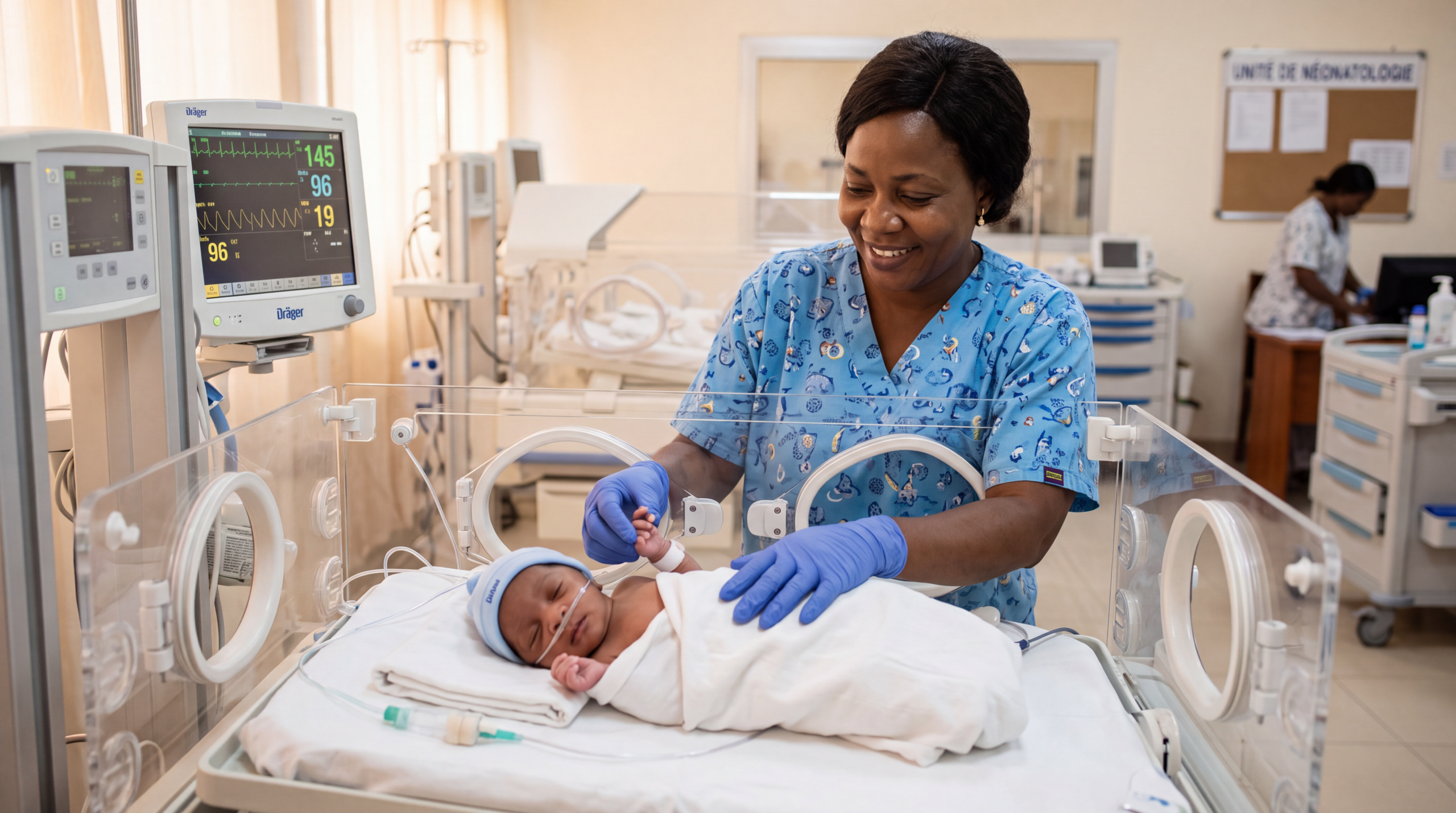
- The first five minutes of life decide the next six weeks. Low Apgar, low birth weight and prematurity were the strongest predictors of newborn death in Kinshasa — every one of them survivable with warmth, resuscitation skills and basic newborn care.
- Each extra antenatal visit cut a newborn’s risk of death by 19%. Strengthening routine care is not the soft option. In the data, it is the intervention.
Support Our Mission: Choose Your Impact
Your donation directly funds essential healthcare activities in underserved communities. Select a donation amount and see how your contribution makes a difference.
Newborn survival Kit
Help us provide basic medical equipment and supplies to clinics.
$75
Health Education
Empower communities with health education and preventive care.
$50
Biomedical Services
Support advanced biomedical services and innovative healthcare solutions.
$150
Data Sources & References
- UN Maternal Mortality Estimation Inter-agency Group (WHO, UNICEF, UNFPA, World Bank, UNDESA) — maternal mortality ratio, DR Congo.
- Our World in Data, Democratic Republic of Congo health country profile — annual maternal deaths.
- UNICEF, Maternal and Newborn Health Disparities: Democratic Republic of the Congo — daily newborn deaths and stillbirths.
- Kabasubabo FK, Bezanahary H, Magne J, Akilimali PZ. Impact of maternal and neonatal factors on mortality in the first six weeks of life: a cohort study in Kinshasa, DR Congo. PLOS Global Public Health.
- Research on health facility readiness and provider knowledge in the diagnosis and management of pre-eclampsia in Kinshasa, DR Congo.
- DRC Ministry of Health annual health statistics — Kinshasa health zones and facilities.